Entry · Ref 9NJRVDNM
What to check before booking a desert quad ride in Dubai
- Posted
- 2026-11-28
- Last amended
- 2026-11-28
- Account
- @thequadbiketourdubaidaily
Booking a quad bike tour dubai can be straightforward, but the details matter. A desert ride is not the same as a short drive on firm ground. Sand changes through the day, routes vary, and the experience feels very different depending on pace, group size, and the level of guidance. Before paying, look past the headline and check the practical points that shape the day.
Start with the rider requirements
The first thing to confirm is who is allowed to ride. Age limits, licence expectations, and passenger rules can differ between operators and package types. Some rides are designed for confident riders, while others suit people who have never handled a quad before. If a rider is unsure about control on loose ground, a gentler option is usually more sensible than a fast route with little instruction.
Also check whether riding is shared or solo. A solo ride gives more independence but asks more of the rider. A guided ride with a steady pace can feel easier, especially when the route includes soft sand or narrow tracks. Height, weight, and fitness restrictions may also apply, so it is better to raise these points before the booking is confirmed rather than on the day.
Confirm what is included
Many people compare the headline price and miss the parts that affect comfort and planning. Ask what the booking covers: the bike, protective gear, refreshments, transport, entry charges, and any extra activities. The aim is not to chase extras for their own sake. It is to avoid surprises and to understand what the day actually involves.
Safety equipment deserves specific attention. A safety helmet should fit properly, sit level, and stay secure without pressing painfully. Gloves and eye protection can also make a real difference in a dusty setting. If the listing is vague about protective gear, ask before arrival. Clear answers usually indicate a more organised operation.
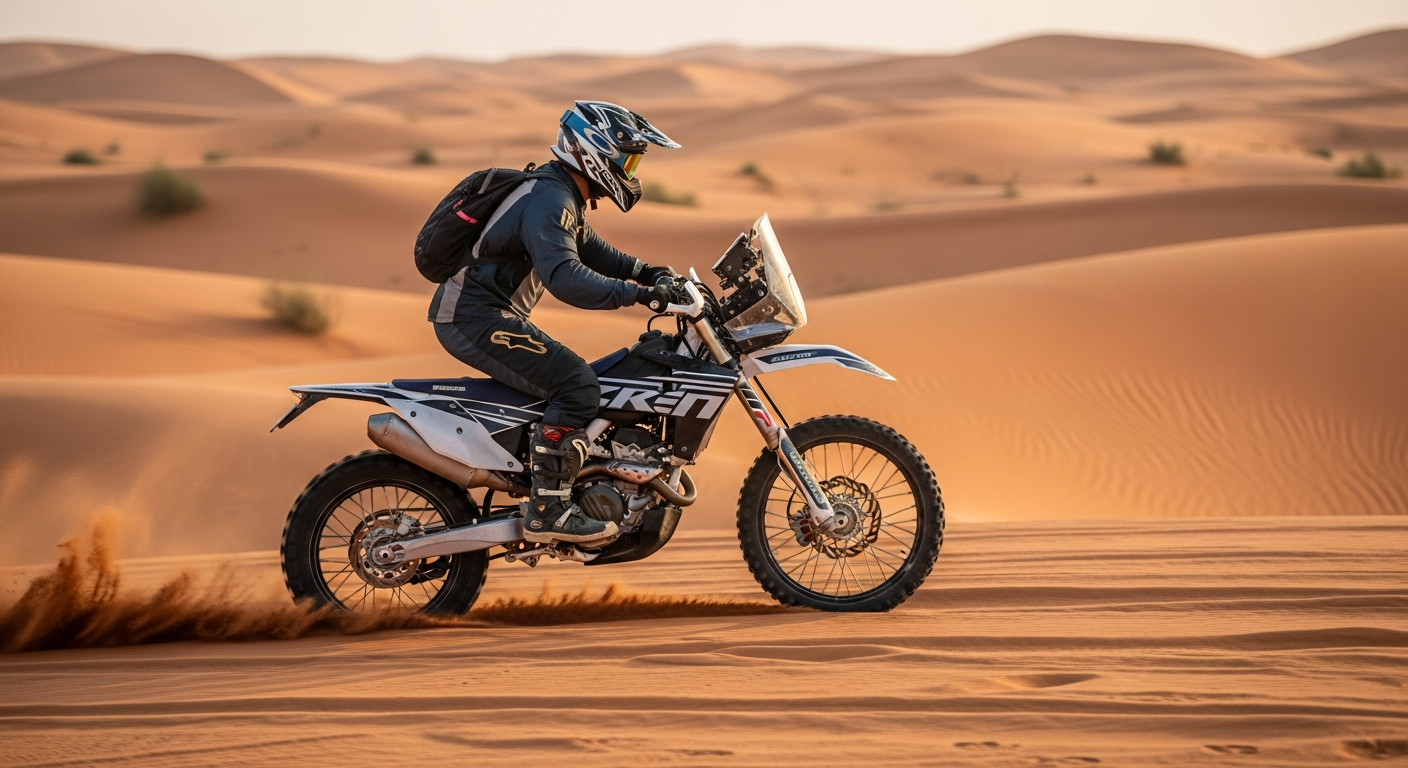
When comparing options, a site such as alqudratours.com can be one reference point for the type of experience on offer, but the useful habit is to read every inclusion in plain terms. Look for specifics instead of broad promises. "Desert adventure" says little, while a clear note about riding time, supervision, and equipment gives a better sense of the day.
Look closely at the route and pace
Desert terrain is the main feature of the experience, so the route matters as much as the vehicle. Some tours stay on smoother tracks with gentle turns. Others include steeper dunes, longer climbs, and faster descents. Neither option is automatically better. The right choice depends on comfort, confidence, and the kind of scenery being sought.
Ask how long the riding segment lasts, not just the total duration of the outing. A long package may include travel, photo stops, meals, or other activities, leaving less time on the bike than expected. A shorter ride with focused guiding may suit some people better than a packed itinerary.
Pace is another quiet deciding factor. A route built around constant speed can be tiring and less welcoming for beginners. A route with pauses, short briefings, and controlled sections tends to feel more manageable. If the ride includes dune bashing in a separate vehicle, check whether that is part of the same booking or an optional addition, and how much time it takes.
Check the safety setup
Safety should be clear from the first conversation. A proper safety briefing explains hand signals, stopping distance, group spacing, and what to do if the bike begins to slide or the rider feels uncertain. It should happen before engines are running, not as a quick reminder beside the starting point.
Guidance also matters. A tour guide should be able to explain sand driving techniques in simple terms, such as keeping steady momentum, avoiding sudden steering, and reading the surface ahead. These details help riders stay calmer and reduce the chance of unnecessary mistakes. If nobody explains how the ride will be managed, that is worth questioning.
Ask about first aid arrangements and communications too. This does not mean expecting problems. It means confirming that the basics are in place before heading into an open environment. A responsible operator will treat these questions as normal.
Understand the bike and maintenance
Quad bikes differ in size, power, and handling. A smaller machine may feel easier for a new rider, while a larger quad bike engine can deliver stronger acceleration and demand more control. More power is not always the best choice. Smooth handling often matters more than speed, particularly on changing sand.
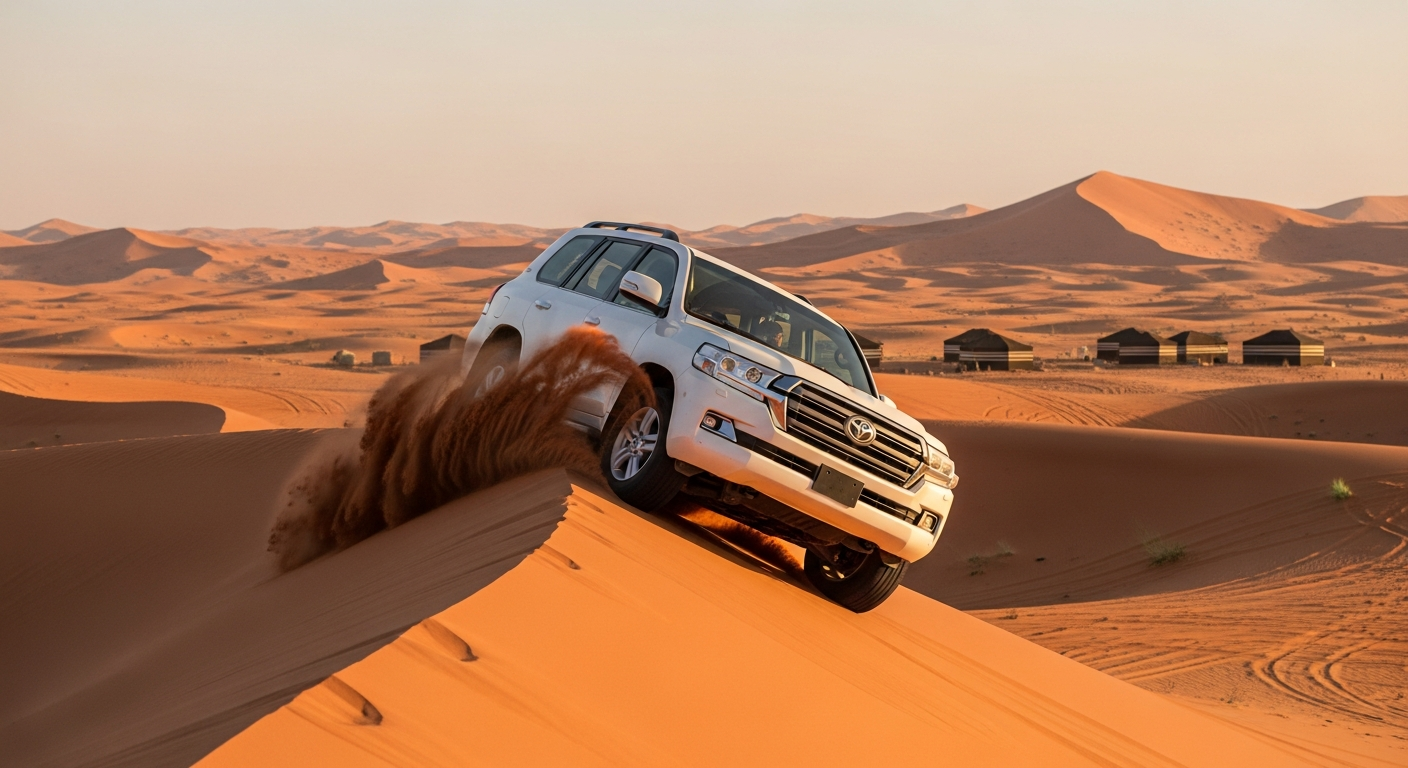
Ask whether machines are checked between rides and what happens if a bike has an issue during the tour. A sensible answer should include a clear process, such as stopping safely, switching off, and having the rider move to another bike or vehicle. Mechanical checks on complex faults belong with qualified professionals, not with riders trying quick fixes in the desert.
Automatic transmission is common in recreational quads, but it is still worth asking how the bike behaves on sand and whether the operator adjusts setup for different routes. The aim is to match the machine to the rider, not the other way around.
Read the cancellation and weather terms
Weather can change plans in the desert. Heat, wind, and dust can affect comfort and visibility, and some tours may be rearranged or cancelled when conditions are poor. Before booking, read the terms for cancellations, late arrival, and weather-related changes. A clear policy helps both sides and avoids awkward decisions at the last minute.
Timing also deserves thought. cooler parts of the day are usually more comfortable for riding, while midday heat can make even a short ride feel demanding. Check the start time, meeting point, and whether transport is included from a central location. If transport is not included, factor in how the return journey will work after the ride.
Photography is another small but useful detail. Many tours include photo stops, but it is worth checking whether personal devices are allowed during the ride and whether a phone pouch or secure pocket is advised. Sand and vibration are hard on loose items.
Know what the environment asks of you
A desert ride is scenic, but it is not a polished indoor activity. Sand gets into clothing and gear. Sun exposure can be strong. Loose clothing can catch on controls, while open-toe footwear offers little protection. Practical clothing, closed shoes, and water before and after the ride are simple choices that make the experience more comfortable.
It is also wise to respect desert wildlife and the wider environment. Keep to the route being used, avoid chasing animals, and follow instructions about where the bike may go. Responsible riding helps preserve the setting and keeps the activity welcome in the long term.

Ask direct questions before paying
A good booking decision usually comes down to a few direct answers. Who rides, how long the riding lasts, what gear is supplied, how safety is handled, and what happens if plans change. If those points are clear, the rest of the choice becomes easier.
Be cautious of vague descriptions that rely on excitement without detail. A professional answer does not need to sound elaborate. It simply needs to cover the practical side of the day and allow the rider to judge whether the tour fits their ability and expectations.
For anyone comparing several options, the best approach is to keep notes as you read. Put the key points side by side: route type, guidance, equipment, timing, and terms. That small bit of preparation can turn a uncertain booking into a confident choice, and it helps the actual ride feel closer to what was promised.